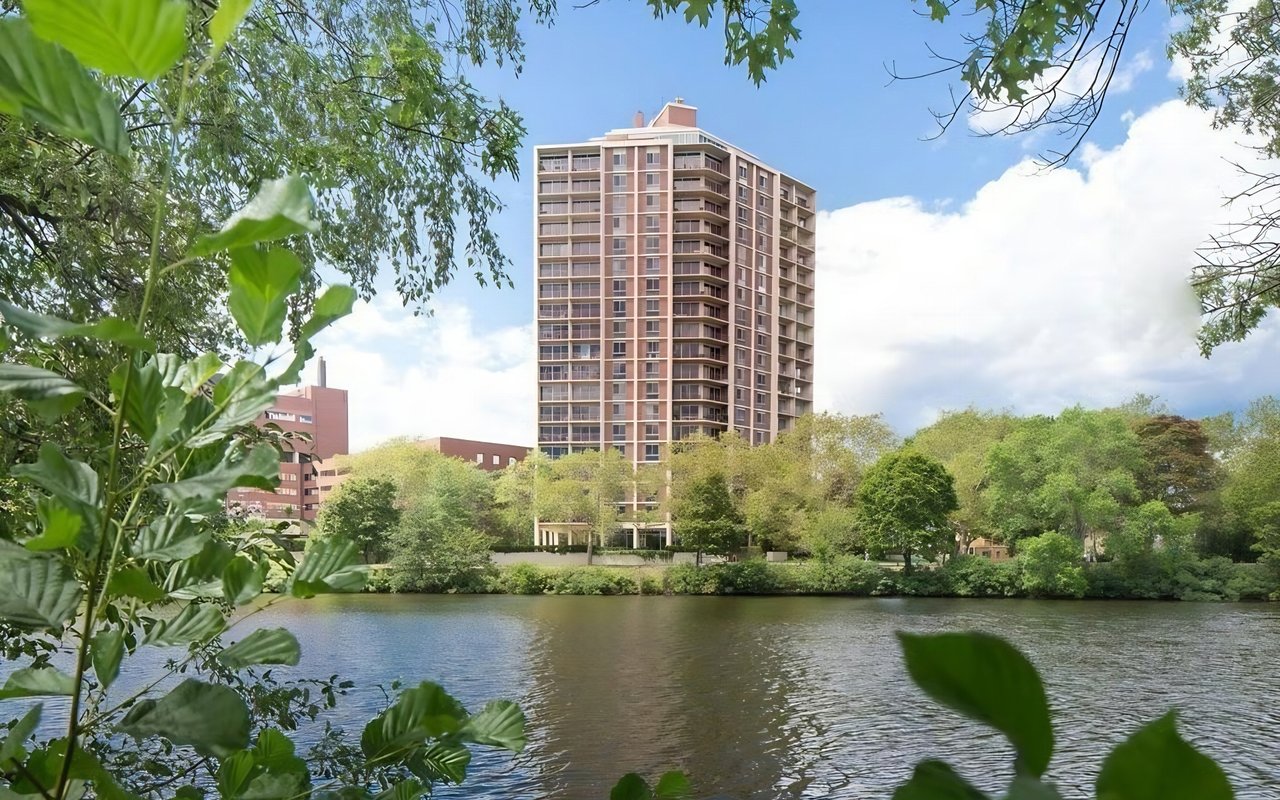
Welcome to Emma Guardia. Today's topic is: What is a co-op? Here in Cambridge, co-ops are limited (6 in the entire city), but it's important to know how they are unique and different from a condominium.
Very simply, a housing cooperative (aka co-op) is a type of housing owned by a corporation made up of the owners within the co-op. The corporation owns the interior, exterior, and all common areas of the building. Unlike a traditional real estate transaction, owners do not receive a deed; instead, they buy a share of the corporation that controls the co-op, which entitles them to a living space.
Perhaps you have heard of a food co-op or a worker co-op? The idea is similar; they are all typically managed without the aim of earning a profit, with every shareholder sharing in the expenses for maintenance and services of the co-op.
The Management and Structure of a Co-op:
When it comes to the structure of co-ops, there are different ownership responsibilities to be aware of.
In a co-op, every tenant is a shareholder. All members of the co-op association vote on rules and regulations, as well as how the building will be managed. Typically, a co-op board is elected from those in the association wishing to volunteer to take care of administrative work. Management companies are also often hired by the co-op to aid them with day-to-day property management.
The collective co-op association is responsible for managing membership fees in order to cover:
- Building maintenance
- Property taxes
- Amenities
- Any underlying mortgages attached to the property and its units—this is a big difference between a co-op and a condo association!
What’s the Difference Between a Co-op and a Condo?
Similarities:
Condos and co-ops may have common areas, amenities, and services provided by their respective associations that greatly add to the value of the property or co-op shares. This is a big distinction from a single-family home that lenders evaluate, in order to make sure the association or the co-op can continue to meet its financial obligations and provide services in the long term. Many of the documents used to review the viability of a co-op association are similar to condo review documents. The process includes, but isn’t limited to:
- Budget and financial review
- Insurance certificates review
- 6D certificates to make sure all dues on the unit are paid up to date
- Meeting minutes- notes from association meetings are typically requested from the last few months
- A review for compliance with ownership restrictions, including that a single entity may only own a limited number of units, and 50% of the units must be occupied as a primary residence
- Review of the blanket mortgage for the co-op, if there is one
- Bylaws
Differences:
- The biggest differences between a condo and a co-op are:
- With a condo, you have a deed, and you can own the physical property that is the condo.
- In a co-op, you don’t own the land or the property; instead, you own a share in the corporation that owns the co-op.
- The approval/application process is different because the corporation is responsible if you default on your share of the mortgage; they will want to review your offer to purchase into the co-op and approve your joining of the co-op.
- The process usually includes live interviews and a review of your financial documentation. When buying a condo, individual applicants aren’t interviewed by the association.
- The financial payoff for a condo is equivalent to the potential for owning a house because you own the condo itself.
Co-op Buildings in Cambridge:
- 1010 Memorial Drive
- 985 Memorial Drive
- 986 Memorial Drive
- 983 Memorial Drive
- 872 Massachusetts Avenue
- 141 Oxford Street